
Mammography & Breast Ultrasound
Early Detection. Exceptional Care. Advanced Technology.
Early Detection Saves Lives — We’re Here to Help.
1 in 8 women will be diagnosed with breast cancer, but with early detection and the right technology, your chances of a positive outcome improve dramatically.
At VitalRay Health Centre, we combine advanced imaging with compassionate care in a tranquil, woman-focused environment — where your safety, comfort, and peace of mind come first.
What We Offer:
We provide two key imaging services for breast health:
Digital Mammography with Tomosynthesis (3D Mammogram)
Breast Ultrasound (Sonar)

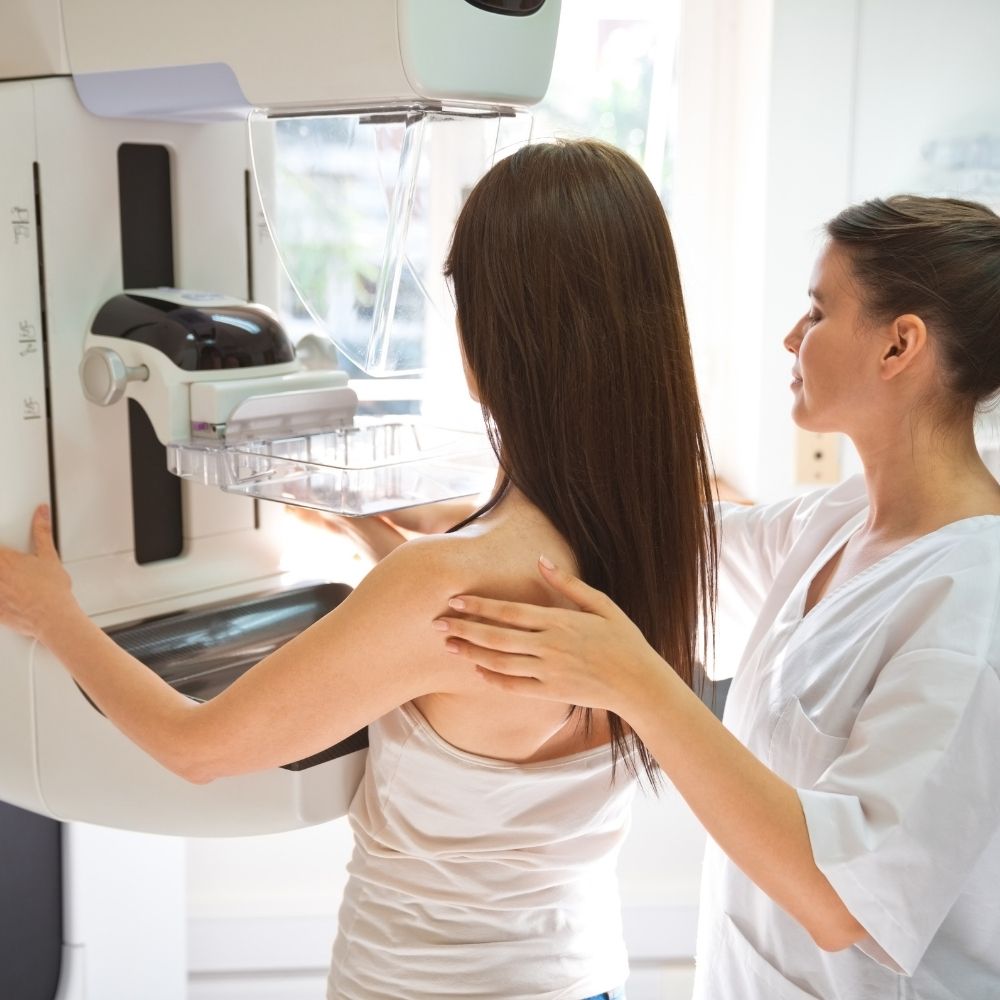
Mammography:
Our Gold Standard for Screening
We use the latest technology to deliver high-quality, low-radiation mammograms:
Full Field Digital Mammography (FFDM).
3D Tomosynthesis – captures breast tissue in thin layers, revealing hidden abnormalities in dense tissue.
C-View Software – reconstructs clear 2D images from the 3D data, minimising the amount of exposure.
Why it matters:
Tomosynthesis allows our radiologists to view the breast in greater detail, layer by layer — improving early cancer detection and reducing false positives. With C-View, we get better images with less radiation.
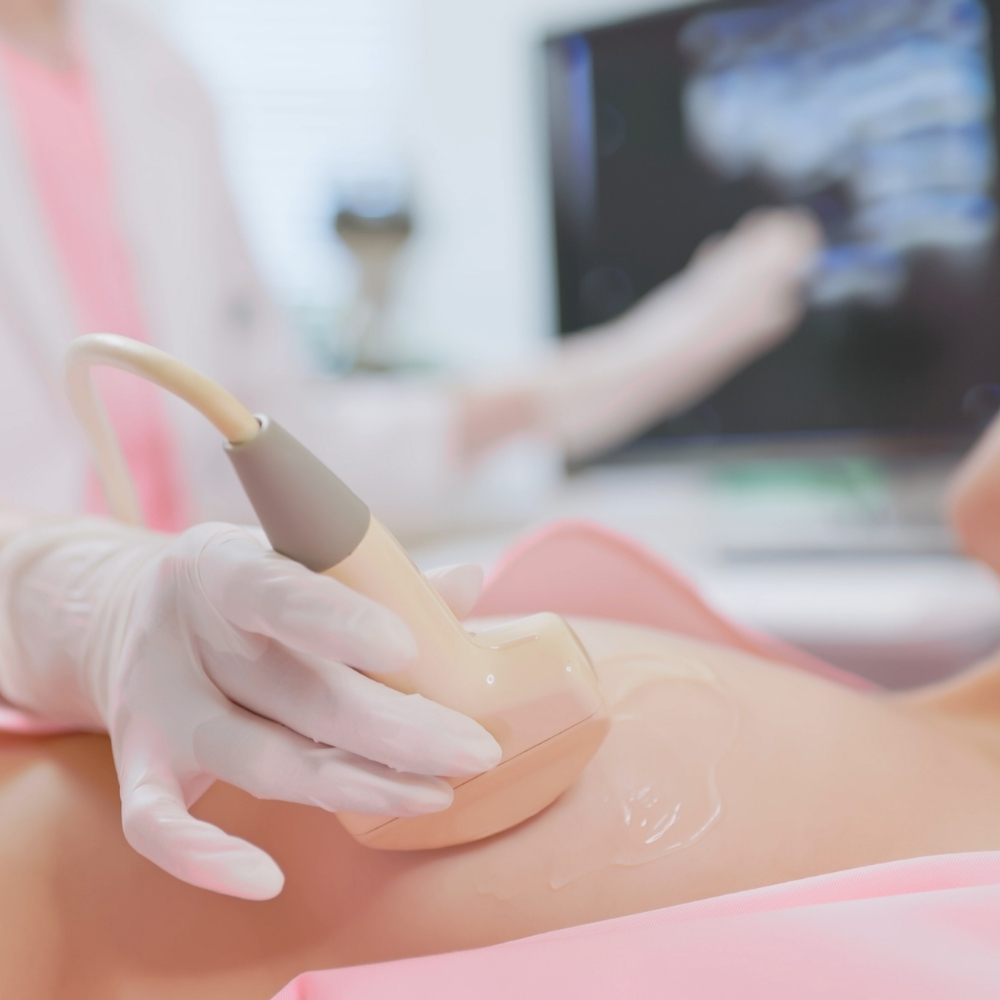
Breast Ultrasound
Your Added Layer of Assurance
All mammograms we perform are followed by a breast ultrasound (sonar) as an additional check. This combination ensures that no detail is missed, especially in women with dense breast tissue.
In certain cases — such as with younger patients or those who may be pregnant — a breast ultrasound may be performed on its own without a mammogram.
What it does:
Ultrasound uses sound waves (not radiation) to produce real-time images of breast tissue. It’s especially useful for:
Differentiating cysts from solid lumps
Assessing palpable lumps or areas of concern;
Guiding biopsies or monitoring benign findings.
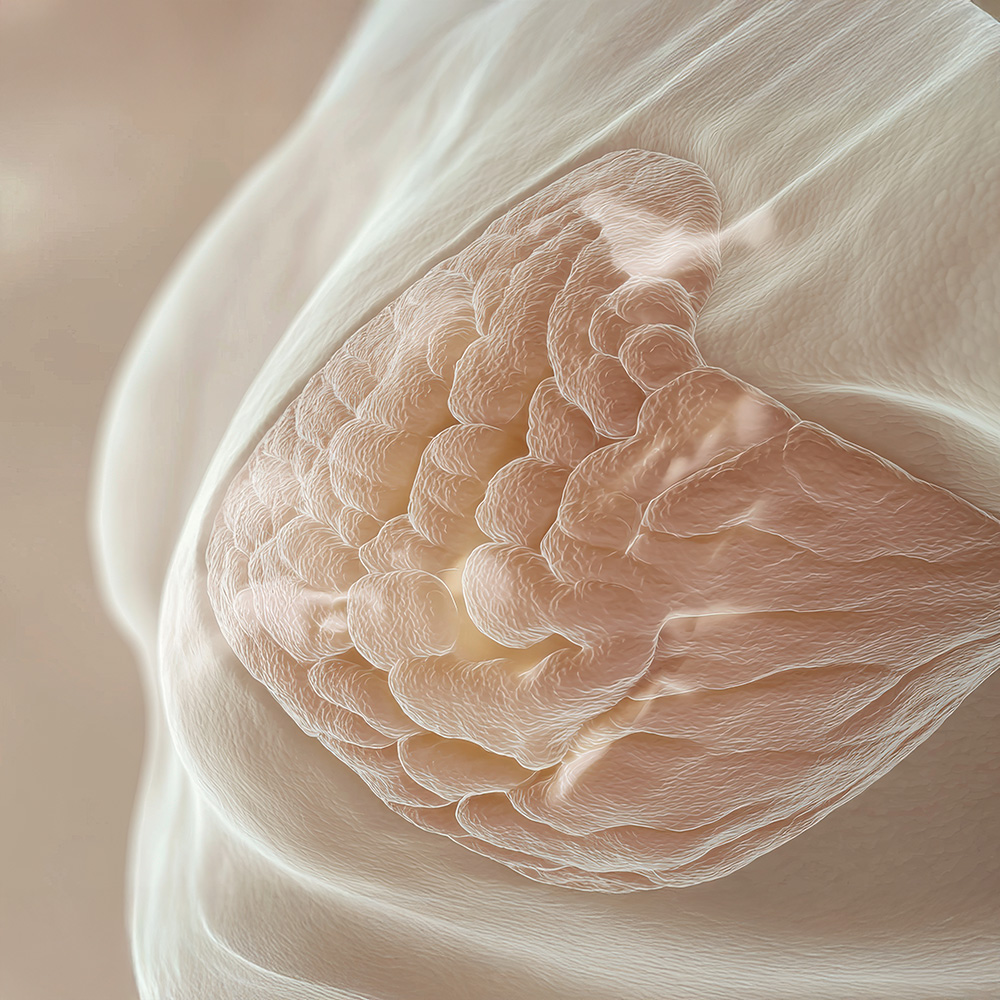

Know the Signs
While early-stage breast cancer often shows no symptoms, contact your doctor if you notice:
A lump or swelling in the breast or underarm.
Changes in breast size, shape, or skin texture.
Nipple discharge or inversion.
Caring, Skilled Patient Care
Our experienced radiographer & mammography technologist, Lynette Schlechter, is here to guide you through every step with empathy and professionalism.
“I love helping women feel safe and supported — and being able to say, ‘You’re all clear until next year,’ is the best part of my job.”

Frequently Asked Questions
When Should I Get a Mammogram?
- Average-risk women: Start routine screenings every 1–2 years from age 40
- High-risk women: May need to begin as early as 30, with additional MRI imaging
What should I expect from the mammogram?
The scan is quick, taking only a few minutes. Some pressure is required, but our advanced equipment and experienced team help reduce discomfort significantly. We recommend wearing a two-piece outfit and scheduling your mammogram 7–10 days after your period for optimal comfort.
Do I need to prepare?
No special prep is needed. We recommend wearing a two-piece outfit for easy access.
How long does the scan take?
The entire process takes approximately 10–15 minutes.
Is breast ultrasound painful?
No. It’s completely painless and non-invasive — a warm gel is applied to your skin, and a handheld probe gently scans the area.
Can I have an ultrasound instead of a mammogram?
In certain cases, yes. But for women over 40, mammograms remain the most effective screening method. Ultrasound is typically used in addition to, not instead of, mammography.
Do I need a referral from my doctor?
No referral is needed — you can book your scan directly.
However, we recommend sharing your results with your gynaecologist or GP for continuity of care.
Is this covered by medical aid?
Please contact us for current information regarding medical aid coverage or out-of-pocket pricing.