
Bone Density Screening (DEXA)
Protect your future mobility, prevent fractures & stay strong as you age.
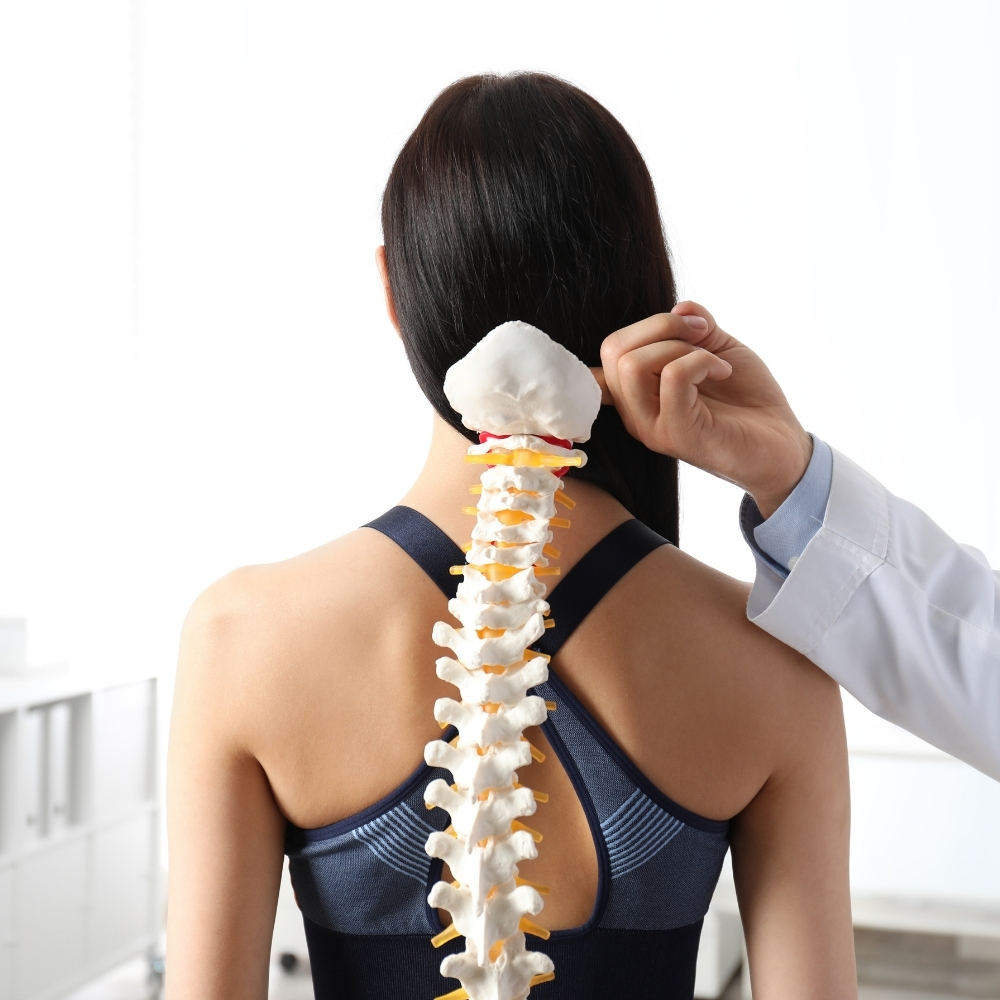
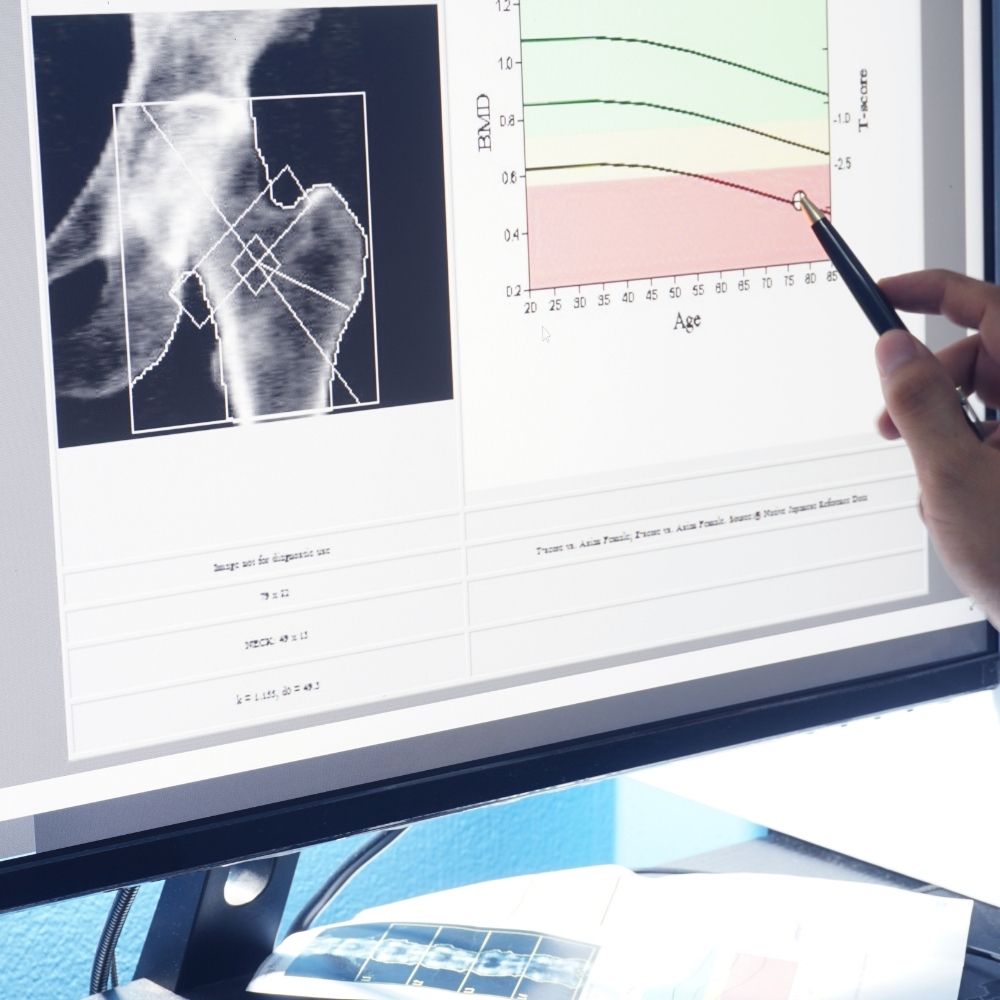
What Is a Bone Density Scan?
A Bone Density Scan—also known as a DEXA scan (Dual-Energy X-ray Absorptiometry)—is a quick, painless, and non-invasive test that measures the strength and density of your bones.
It helps detect osteopenia and osteoporosis early, long before a fracture happens.
DEXA is the gold standard in bone health assessment. It precisely measures bone loss in areas most vulnerable to fracture, such as the hip, spine, and forearm.
Why Bone Density Screening Matters:
Osteoporosis is often called the “silent disease” because it can develop without any symptoms—until a bone breaks.
With early detection, you can take steps to protect your bones, prevent fractures, and maintain your mobility as you age.
A simple, 10-minute scan today can prevent years of pain, immobility, or loss of independence later.
The Benefits of a DEXA Scan:
Accurate, reliable insight into your bone strength.
Extremely low radiation (less than a standard chest X-ray).
Detects bone loss early, even before symptoms develop.
Monitors your progress if you are undergoing treatment.
Helps predict fracture risk, allowing proactive prevention.
Supports personalised health decisions about diet, supplements, exercise, and medication.

Who Should Have a DEXA Scan?
You may benefit from a bone density scan if you:
Are postmenopausal or over 65;
Have a family history of osteoporosis or fractures;
Experience early menopause, low body weight, or irregular periods;
Take corticosteroids or medications that affect bone health;
Live with conditions like rheumatoid arthritis, thyroid disorders, or celiac disease;
Have had a fragility fracture (a break from a minor fall or impact);
Are undergoing treatment for osteoporosis and need monitoring.
DEXA vs. Ultrasound Bone Testing
While both DEXA and ultrasound can be used to assess bone health, they serve very different purposes — and DEXA remains the gold standard.
DEXA scans provide highly accurate and precise measurements of bone mineral density in key areas prone to fracture, such as the hip, spine, and forearm. They use very low levels of radiation and are widely trusted for diagnosis, monitoring, and treatment planning.
Ultrasound bone density tests, on the other hand, typically scan only the heel (calcaneus) and estimate bone quality rather than density. While they don’t use radiation and may be used for preliminary screening or in mobile settings, they are not recommended for diagnosis or ongoing management of bone health.
In summary: ultrasound can be a useful initial tool, but DEXA is the most reliable and clinically accepted method for assessing bone density and fracture risk.
Frequently Asked Questions
Is the scan painful?
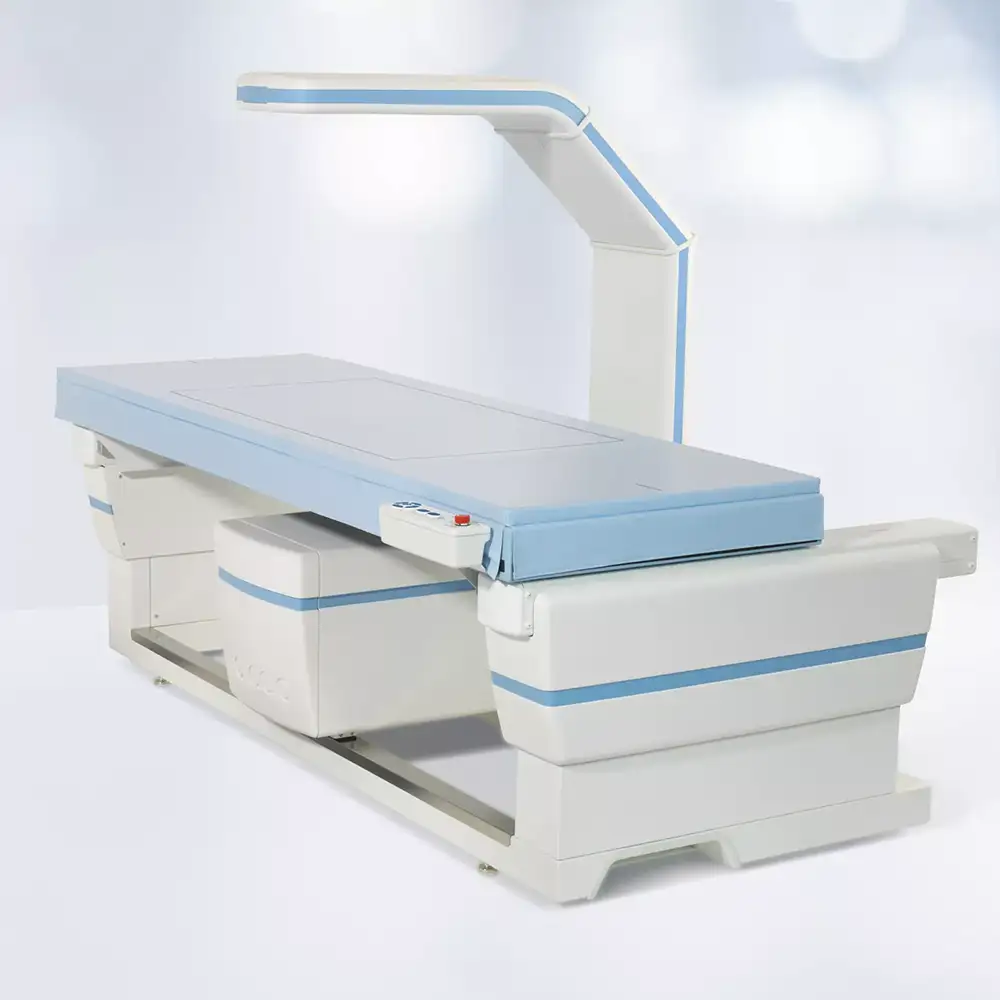
Not at all. You simply lie on a padded table while the scanner moves over your body. It’s fast and completely non-invasive.
How long does it take?
Typically 10 to 20 minutes.
How often should I get tested?
Usually every 2 years, unless your doctor recommends otherwise.
Do I need to prepare?
No special prep is needed, but avoid calcium supplements for 24 hours before your scan.
Is the test safe?
Yes. The radiation dose is very low—less than what you’d get from a short flight.